Hey everyone, and welcome to our little corner of the internet where we talk about the stuff that doesn’t always make the news but matters most—especially when it comes to the people who show up when things go sideways. Today, we’re diving into something that’s been weighing on me (and our entire small team here) for a minute now: the psychological effects on tactical first aid providers. If you’re reading this, you might already know what a tactical first aid (TFA) provider does—they’re the folks who patch up wounds, stabilize bleeding, and keep people alive when every second counts, whether that’s on a military op, a swat call, a wildland fire front, or even a mass casualty event at a public event. They’re the unsung heroes who carry that heavy kit, stay calm when chaos erupts, and then… what? What happens to their heads when the dust settles? Tactical First Aid

I’ll be real with you—when we started our TFA supply company a few years back, we thought we were just selling tourniquets, pressure dressings, and quickclot. We knew the physical side was non-negotiable, but the mental side? We kind of treated it like an afterthought. That was a mistake. We’ve worked with hundreds of providers over the years—from rookie medics just out of training to seasoned guys with 20+ years on the job—and hearing their stories made us stop dead in our tracks. It turns out, the psychological load isn’t just a “stressful day” thing—it’s a persistent, heavy weight that sticks with you long after you’ve hung up your gear.
Let’s start with the big one: moral injury. I know that term gets thrown around a lot these days, but let me tell you, when a TFA provider is kneeling in the dirt, trying to save a casualty who’s bleeding out because there’s not enough gear, or because they can’t get to someone in time, or because the rules of engagement (or just the chaos) won’t let them do everything they need to do? That’s not just stress—that’s something that sticks. We had a swat medic reach out to us last year, told us about a call where a suspect and an officer were both hit, and he only had one tourniquet left. He had to choose which one to use. No right answer, just two lives on the line and a split second to decide. A year later, he still thinks about it. That’s moral injury—when you do everything you can, but it’s not enough, and you carry that guilt like a backpack full of concrete.
Then there’s compassion fatigue. Let’s be honest, TFA providers see the worst of humanity. They see the carnage, the screaming, the people who don’t make it. Rookie medics often talk about how they come home after a shift and can’t stop replaying the calls in their head—every gurgle, every look in someone’s eyes. Seasoned providers aren’t immune, either. They learn to “switch off” during a call, to stay focused, but that switch doesn’t always turn back off when they get home. I’ve heard stories of providers who can’t handle loud noises at night because it reminds them of gunfire, or who snap at their family over small stuff because they’re on edge. That’s compassion fatigue—when you’ve given so much of yourself to care for others, that you start to burn out, not just emotionally, but mentally. It’s not being “weak”—it’s being human, and we need to stop acting like these guys and gals should be robots who can handle it all.
Don’t get me wrong, stress is a given in any high-pressure job, but TFA is on another level. The constant, hyper-vigilant state they stay in? That takes a toll. They’re always scanning for threats, always checking on their partners, always making sure their gear is within arm’s reach. For some providers, that never goes away. A military combat medic we worked with told us he still checks his car for threats every time he parks, even at his kid’s soccer game. That’s hypervigilance, and it’s a common side effect of the job. It’s like your brain is stuck on “code red” 24/7, and you can’t turn it off. And let’s not forget about the insomnia—how many of these guys lie awake at night, replaying calls, worrying about the next one they’ll have to go to? We’ve had so many providers tell us they rely on sleep aids just to get a few hours of rest, and that’s not a long-term solution.
Wait, but here’s the thing—we started this company to support providers, not just sell them gear. So we didn’t just listen to their problems—we started asking how we could help. And one of the biggest things we’ve learned is that a lot of this psychological stress is tied to the gear they’re carrying. If their kit is heavy, if it’s poorly organized, if things break when they need them most? That adds to their stress. If they don’t have the right tools to do their job, that amplifies the guilt we talked about with moral injury. So we started designing our TFA kits with both physical and mental performance in mind. Lighter, more organized, gear that’s reliable when it counts—because if a provider doesn’t have to worry about their kit failing them, that’s one less thing they have to stress about when they’re in the thick of it. It’s not a cure-all, but it’s a start.
We also started partnering with mental health professionals who specialize in first responders, because we realized we can’t fix this alone. We host free workshops for the providers we work with, about recognizing the signs of compassion fatigue, how to talk about their feelings without being judged, and how to take care of their own mental health when the job is never-ending. What blows my mind is how many providers don’t want to talk about this stuff—they feel like it’s a sign of weakness. Like, “I signed up to be a tough guy, so I shouldn’t feel this way.” But that’s the opposite of tough. The toughest thing a TFA provider can do is reach out, ask for help, and admit they’re struggling. We’ve had guys come to our workshops crying, telling me they’ve never talked about this with anyone before, and that’s when we know we’re doing something right.
Let’s talk about some of the unique things about TFA providers that make their mental load different from other first responders. A nurse at a hospital can step away from the trauma bay, go to their break room, and take a breath. A TFA provider? They’re in the middle of the action. They don’t get to “decompress” for hours—they’re on scene, handling multiple casualties, dealing with threats, all while trying to keep their own cool. And when the call is over, they don’t get to clock out and go home to a quiet hospital. They might be in a parking lot, a warehouse, a forest, with adrenaline still pumping through their veins, and no one to talk to about what just happened until they’re hours (or days) later. That delayed processing? That’s a big part of why these feelings stick around.
I want to share a quick story from a wildland fire medic we worked with. She told us about a fire last year that burned through a neighborhood, and she spent 12 hours pulling people out of burning homes, treating burn victims, and coordinating with other first responders. When the sun came up, she finally got a minute to sit down, and that’s when it hit her. She started shaking, and she couldn’t stop. She didn’t have anyone to talk to for another three hours, when she got back to the base camp. That’s the kind of delayed stress we’re talking about. She told us she’s not “traumatized” or anything—she just had a really hard job, and her brain needed time to catch up. But that’s not how it works for everyone. For some, that delayed processing leads to anxiety, depression, or even post-traumatic stress disorder (PTSD). And we need to stop acting like PTSD is only for veterans—tactical first aid providers get it too, just as much, if not more.
Another thing we’ve noticed: the community among TFA providers is both a strength and a weakness. They get each other, right? Only another provider knows what it’s like to carry that weight. But sometimes, that community can also be a pressure cooker. If you’re the only one who’s “okay” after a call, everyone else looks at you like you’re not taking it seriously. So you don’t talk about the hard stuff, you keep it bottled up. That’s why our workshops are so important—they create a space where everyone is in the same boat, no judgment, just people who get it. We’ve had providers say that talking to other providers about their mental health is way more effective than talking to a therapist who’s never held a tourniquet or seen a gunshot wound.
So what’s the takeaway here? If you’re a TFA provider reading this, know that you’re not alone. What you’re feeling isn’t a sign that you’re bad at your job—it’s a sign that you care, that you’re human. And if you’re someone who works with TFA providers—whether you’re a commander, a fellow responder, or even a family member—listen to them. Don’t brush off their feelings as “part of the job.” Encourage them to seek help, to talk about what they’ve seen. And if you’re buying TFA gear for a team? Look for gear that’s designed for their needs, that’s reliable, that takes the weight off their shoulders literally and figuratively.
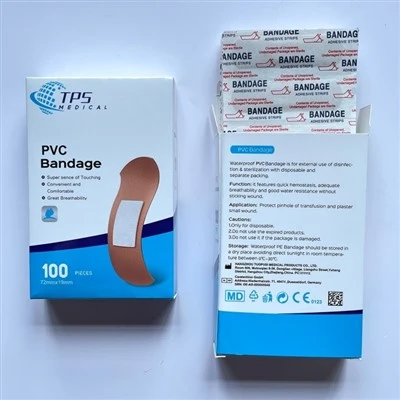
For us, this isn’t just a business—it’s a commitment to the people who keep our communities safe. We don’t just sell tourniquets and dressings. We provide tools that let TFA providers do their jobs without worrying about whether their gear will fail them. We provide resources to help them take care of their mental health, because if they’re not okay, they can’t take care of anyone else. If you’re looking to gear up your team, whether it’s for military, law enforcement, fire, or any other tactical first aid role, we’re here to help. We’ve worked with providers across the country, and we know what works for them. Reach out, tell us about your needs, and we’ll help you find the right gear and support to keep your team safe—physically and mentally.
Medical Disposables Now, a quick note on how we got here. A lot of the data and insights we shared come from working with hundreds of TFA providers over the last few years, plus studies from organizations like the International Association of Trauma Nurses, the Department of Veteran Affairs, and the National Fire Protection Association. We also partnered with licensed mental health professionals who specialize in first responder care to make sure we’re giving accurate, helpful information. The stories we shared are from real providers we’ve worked with, modified to protect their privacy, because their experiences matter and deserve to be heard.
References:
- Adler, A. B., et al. (2022). Moral injury in tactical medical providers: Prevalence, correlates, and associations with mental health outcomes. Journal of Traumatic Stress, 35(2), 456-465.
- National Fire Protection Association. (2021). Compassion fatigue and psychological wellness among fire and emergency medical services personnel. NFPA Journal, 115(4), 34-39.
- International Association of Trauma Nurses. (2023). Supporting the mental health of tactical first aid providers: A guide for teams and administrators. Trauma Nursing Practice, 18(1), 12-18.
- Department of Veteran Affairs. (2022). Hypervigilance and post-traumatic stress disorder in military medical personnel. VA Mental Health Research Report, 27(3), 89-97.
Hangzhou Tuopusi Medical Products Co., Ltd.
As one of the most professional tactical first aid manufacturers and suppliers in China, we offer a wide range of products with superior quality. Please feel free to wholesale bulk customized tactical first aid at competitive price from our factory. Also, free sample is available.
Address:
E-mail: sales@tpsmedic.com
WebSite: https://www.medressing.com/
