Hey everyone! If you’ve ever stared through a crisp glass coffee mug on your morning latte, admired a sleek glass vial holding those fancy essential oils, or even dodged a rogue wine glass at a party, you’ve probably never stopped to think, “Wait—how did that even get made?” As someone who’s been in the glass products game for over 10 years now—running our little workshop and working with all sorts of clients, from local cafes to big beauty brands—I see this question all the time. Most folks just assume glass is some weird, magical material that’s pulled out of a factory machine full of smoke. Spoiler: it’s way more fascinating (and a little messy) than that. Let’s break down how we turn plain old sand into the stuff that’s part of our daily lives. Glass Products
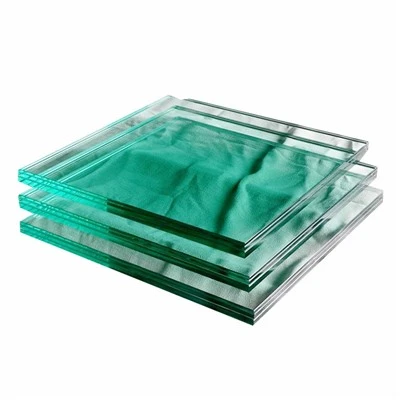
First off, let’s get one thing straight: glass isn’t actually a solid, even if it feels that way. It’s an amorphous solid, which means it’s super cool molecularly—its atoms are all jumbled up, like a bunch of kids at a birthday party, instead of lined up neat like a metal or crystal. That’s why it’s see-through most of the time and why it shatters when you drop it (we’ve all been there, and it’s never fun). Now, the base of almost every glass product you’ll find? Silica sand. Like, the same stuff you used to play with as a kid at the beach. But not just any sand—we need really pure silica sand, because any impurities will mess up the color or clarity of the final product. Think about it: if your sand has little bits of iron in it, your glass will turn that greenish tint you see in cheap glass jars, not the crystal clear we sell for mugs or perfume bottles.
Next step: mixing the batch. We don’t just dump sand in a pot and heat it (well, actually we do heat it, but not a pot—way bigger). Along with silica, we add a few other ingredients to tweak the glass’s properties. Soda ash (sodium carbonate) is a big one—it lowers the melting point of silica so we don’t have to heat it to like 3,000 degrees Fahrenheit, which would be insane to power. Wait, but soda ash makes glass water-soluble, right? Oh yeah, so we add limestone (calcium carbonate) to stabilize it, so our glass mugs don’t dissolve in the dishwasher. For colored glass? We toss in tiny amounts of metal oxides—like cobalt for that deep blue, iron oxide for green, or even selenium for a reddish tint. Fun fact: the pink glass you sometimes see in vintage dishes? That’s from tiny bits of gold. Gold! Who knew?
Once we’ve got our mix all weighed out (super important—even a tiny off measurement can ruin a whole batch), it’s time for the big show: melting. We use huge furnaces that can get up to like 2,700 degrees Fahrenheit. That’s hotter than a volcano, by the way. The mixture goes in as a powdery mess and comes out as this goopy, liquid glass—like honey, but way hotter and way too dangerous to touch. We have to let it sit in the furnace for a while too, called “fining.” That’s where all the tiny bubbles get worked out. If you’ve ever looked at a cheap glass bottle and seen a little bubble inside? That’s because the fining step was skipped or messed up. No one wants a mug that’s got a bubble where it’ll crack when you pour hot coffee, right? So we take our time here.
Now, this is where the magic really happens—shaping the glass into whatever you need. There are two main ways we do this, depending on the product we’re making. First, there’s blowing glass, the old-school way that’s still super popular for decorative pieces or high-end mugs. We take a long metal pipe, dip the end into the goop, and blow into the other end to inflate it like a balloon. Then we shape it with tools, or even just our hands (wearing heavy gloves, obviously, because that glass is scorching hot). My old boss used to say blowing glass is like dancing with fire—you have to move fast, but not too fast, or the glass will cool and crack. The other way, which we use for most of our everyday products like vials or standard mugs, is called pressing or casting. We pour the liquid glass into a metal mold, close it, and press it into shape. It’s way faster than blowing, which is why we can make hundreds of vials an hour instead of just a few in a day.
Wait, after shaping, we can’t just walk away. That liquid glass is super hot, and if it cools too fast, it’ll be full of stress cracks and shatter for no reason—like when you pour boiling water into a cold mug and it cracks right in half. We need to anneal it, which is basically just slowly cooling it down over hours or even days. We put all the shaped glass pieces into this big, temperature-controlled oven called an lehr. It starts super hot, then cools down by like 100 degrees every hour for a few days. That relieves all the internal stress, so the glass is strong enough to hold hot coffee, be dropped on the floor (not that we recommend it, but it’s way less likely to break), and survive the dishwasher. I’ve seen so many new workers skip a step of the annealing schedule and ruin an entire batch—annoying as hell, but it’s part of the job.
Then there’s finishing, which is the little stuff that makes a product actually useful. For mugs, we might add a handle—usually by melting a little glass rod onto the side and shaping it. For vials, we cut the top with a diamond saw (wait, diamond is the only thing hard enough to cut glass without chipping, right?) and add a thread so a cap can screw on. We might polish the edges so they’re not sharp—no one wants a glass that’ll cut your hand when you pick it up. And if it’s a custom product, like a mug with a logo or a perfume bottle with a design, that’s when the decorating happens: screen printing, etching, or even spraying a special paint that sticks to glass.
Now, let’s talk about why we do what we do here. I’ve been in this industry for 12 years, and a lot of people ask me why not use plastic? Plastic’s cheaper, right? But glass is way more sustainable. It’s 100% recyclable—you can melt down old glass bottles and make new ones forever, no loss in quality. Plastic? It can only be recycled so many times before it’s useless. And glass doesn’t leach chemicals into food or drinks, which is why we work with so many brands making organic food or natural skincare—people want to know their products aren’t sitting in something that’s leaching gunk into them.
Running a glass products supplier isn’t always easy. We’ve had supply chain issues where our silica sand was late, or a furnace broke down and set us back a week. But what keeps me going is making products that people actually use and love. I still get texts from cafes that say their custom mugs are the most popular item their customers order. That’s way better than any office job I had right out of college.
If you’re reading this and you’re a small business owner looking for custom glass products, or even a big brand that needs bulk vials or mugs, hit us up. We don’t do the super fancy, over-the-top glass art that costs thousands, but we do solid, high-quality glass products that are made right here (well, in our workshops) with care. We can work with you on custom designs, tweak the color or size, and make sure you get exactly what you need without the hassle. No weird hidden fees, no long wait times (most orders ship in 2 weeks, tops), and we stand behind every product we make.
Wait, one last fun fact for anyone who’s still here: that old glass in your window? It’s not perfectly flat. Back in the day, window glass was made by pouring liquid glass into a big flat sheet, but it always had little wavinesses. Now we use float glass—pour the glass onto a bed of molten tin, so it floats flat, making perfect, smooth windows. Cool, right?
If you’ve ever had questions about glass making, or you’re ready to order some glass products for your business, reach out to us to chat. We’re always here to answer questions, even if you just want to learn more about how glass is made. Thanks for sticking with me through this whole deep dive into the world of glass—next time you pick up a glass mug, you’ll know exactly how it went from beach sand to your morning latte holder.
Aluminum Doors References:
- U.S. Geological Survey. (2022). Silica Sand and Glass Manufacturing.
- Glass Packaging Institute. (2023). How Glass is Made: From Raw Materials to Finished Product.
- Corning Museum of Glass. (n.d.). The Science of Amorphous Solids: Understanding Glass Structure.
- Society of Glass Technology. (2021). Annealing Processes for Glass Products.
- European Container Glass Federation. (2022). Sustainability of Glass Packaging.
Wuhu Xupin Architectural Decoration Engineering Co., Ltd.
As one of the most professional glass products manufacturers and suppliers in China, our products have good reputation in the market. Welcome to wholesale bulk glass products in stock here and get quotation from our factory. Customized orders are welcome.
Address: No. 11 Weiba Road, Fangcun Industrial Concentration Zone, Jinghu District, Wuhu City, Anhui Province
E-mail: 13470752088@163.com
WebSite: https://www.xupinwindows.com/
